

Understanding the psychology behind gambling Why we take risks at casinos
The Allure of Risk-taking
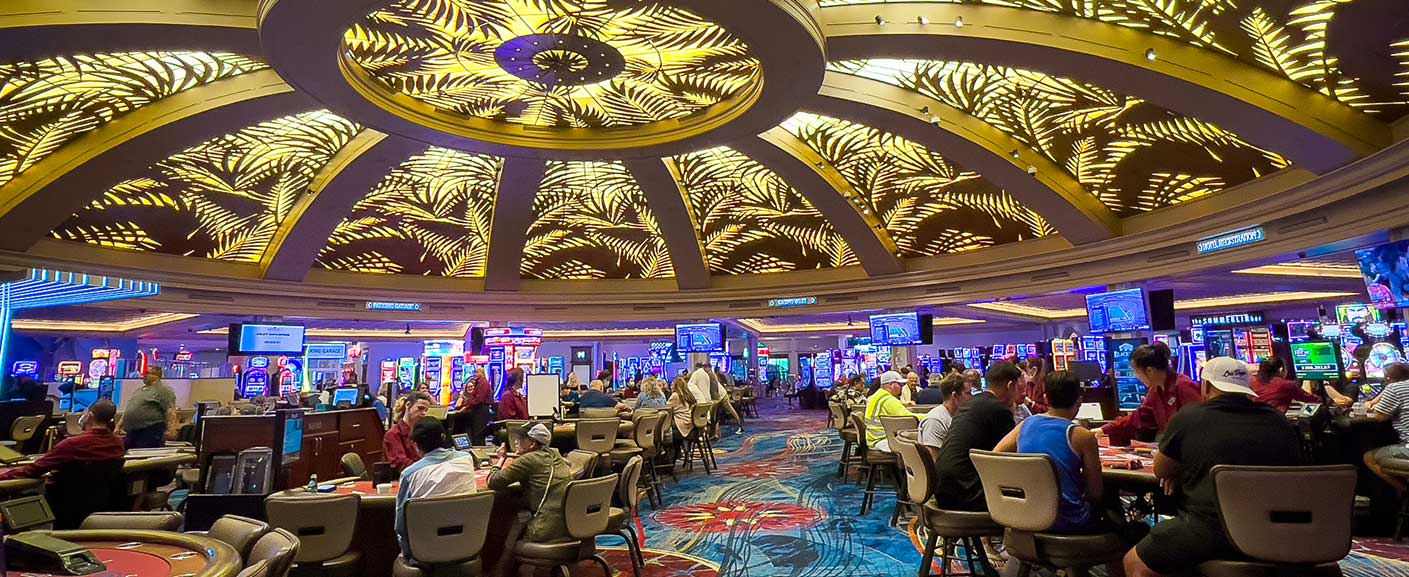
The thrill of taking risks is deeply rooted in human psychology. For many individuals, stepping into a casino offers an exhilarating break from the mundane routines of daily life. This allure is heightened by the possibility of winning big, which taps into our desire for excitement and adventure. In the midst of this excitement, a non gamstop casino can provide an enticing alternative to traditional gambling experiences. The environment of a casino, filled with bright lights and captivating sounds, enhances this experience, creating a sensory overload that amplifies emotional responses.

Moreover, the concept of uncertainty plays a critical role in gambling. Humans are naturally drawn to unpredictability, and the anticipation of a potential win can trigger the release of dopamine, the brain’s reward chemical. This chemical reaction reinforces the behavior, making individuals more likely to engage in gambling again. The idea of hitting the jackpot becomes not just about monetary gain, but about the emotional high that accompanies the risk.
The Role of Cognitive Biases
Cognitive biases significantly influence gambling behavior. One common bias is the illusion of control, where gamblers believe they can influence the outcome of a game, despite the inherent randomness. For example, a player might think that they can improve their odds in games like blackjack or poker through skill or strategy. This false sense of control can lead to persistent gambling as individuals continue to chase wins under the misguided belief that their actions can change the outcome.
Another significant bias is the gambler’s fallacy, where individuals mistakenly believe that past events can influence future outcomes. For instance, if a particular slot machine hasn’t paid out recently, a gambler might think it is “due” for a win. This line of thinking can result in increased risk-taking as players convince themselves that the odds are somehow in their favor, leading them to gamble more than they can afford to lose.
The Social Aspect of Gambling
Gambling is often a social activity, and this communal aspect can amplify the thrill of risk-taking. Many people visit casinos with friends or family, making the experience more enjoyable and less isolating. This social dynamic can encourage riskier behaviors, as individuals may feel emboldened by their companions. The collective excitement of a winning moment can create lasting memories, further embedding gambling in social circles.
Additionally, the presence of others can act as a form of social proof. When players see others winning, it can lead them to believe that success is attainable, motivating them to take similar risks. This environment fosters a sense of belonging, making people more likely to engage in gambling activities despite the inherent dangers associated with excessive risk-taking.
The Influence of Marketing and Environment
The design and marketing strategies of casinos are specifically crafted to encourage gambling. From the layout of the gaming floor to the enticing promotions, every detail aims to create an atmosphere conducive to risk-taking. Casinos often employ techniques such as free drinks and loyalty programs to keep players engaged and spending. This deliberate manipulation of the environment can lead to prolonged gambling sessions, often resulting in financial loss.
Moreover, the lack of clocks and windows in casinos creates a timeless atmosphere, encouraging players to lose track of time and continue gambling. By designing a space that maximizes sensory engagement, casinos effectively stimulate desire and impulsivity, prompting individuals to take risks they might otherwise avoid outside the gaming environment. This strategic use of psychological principles plays a significant role in gambling behavior.
Community Focus at GeekGirlMeetup
Understanding the psychological facets of gambling provides insights into why individuals are drawn to casinos. By exploring these motivations, communities can better support individuals who may struggle with gambling addiction. Platforms like GeekGirlMeetup offer valuable resources and a supportive environment for women in tech, emphasizing the importance of community in navigating life’s challenges, including those posed by gambling.
Through shared experiences and collective support, individuals can gain a deeper understanding of their behaviors and make more informed decisions about risk-taking. By fostering open conversations about such topics, GeekGirlMeetup champions inclusivity and empowerment, ensuring that no one has to face these challenges alone.